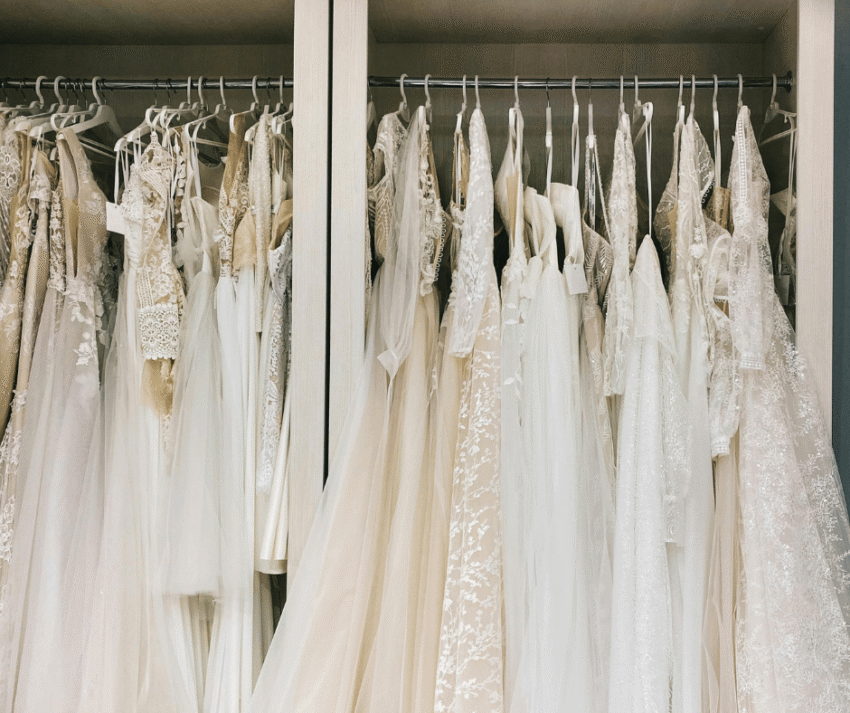
Your wedding dress holds powerful memories — but once the big day has passed, many brides are left wondering what to do with old wedding dress styles that now sit untouched in closets or garment bags. Rather than letting such a meaningful piece gather dust, giving your dress a second life can be both emotionally rewarding and environmentally responsible. From preservation to donation and creative repurposing, today’s brides have more thoughtful options than ever before.
Why Wedding Dresses Deserve a Second Life
Wedding gowns are designed to be worn once, yet crafted to last decades. High-quality fabrics, hand-beaded detailing, and expert construction make them far too valuable to simply store away and forget. Beyond sentimental value, there’s also a sustainability factor. Fashion waste is one of the largest contributors to global landfills, and wedding dresses are no exception.
Giving your dress a second purpose:
-
Reduces textile waste
-
Extends the life of premium materials
-
Creates new emotional meaning
-
Supports charitable causes
-
Preserves family traditions
Wedding Dress Preservation: Protecting the Memory
Preservation is ideal for brides who want to keep their gown intact for future generations or simply protect it as a keepsake.
What Professional Preservation Includes
-
Deep stain treatment (sweat, makeup, wine, dirt)
-
Fabric-safe cleaning methods
-
pH-neutral packaging
-
Acid-free storage materials
-
Airtight sealing to prevent yellowing and oxidation
Properly preserved dresses can remain in excellent condition for decades and may even be passed down to daughters, nieces, or grandchildren.
Who Preservation Is Best For
-
Heirloom-minded brides
-
Vintage or couture gown owners
-
Dresses with intricate lace or beadwork
-
Brides planning vow renewals or future ceremonies
Donating Your Wedding Dress: Turning Beauty Into Purpose
For many brides, donating a wedding dress creates new meaning beyond the wedding day. Charitable organizations use donated gowns for:
-
Brides who cannot afford a traditional wedding dress
-
Costume departments for theater and film
-
Disaster relief efforts that provide gowns to affected couples
-
Charity fashion events and fundraising auctions
Benefits of Wedding Dress Donation
-
Helps future brides create their own memories
-
Supports nonprofit missions
-
May offer a tax deduction
-
Keeps perfectly wearable gowns out of landfills
Before donating, it’s always best to confirm condition requirements, as some organizations only accept gently worn or professionally cleaned gowns.
Creative Repurposing Ideas for Old Wedding Dresses
If preservation or donation doesn’t feel right, repurposing allows you to keep a piece of your wedding story while transforming it into something practical and meaningful.
1. Memory Keepsakes
-
Christening gowns
-
Baptism outfits
-
Flower girl dresses
-
Bridal clutches or handbags
These keepsakes allow your wedding gown to live on in family milestones.
2. Home Décor Projects
-
Framed lace artwork
-
Decorative throw pillows
-
Table runners or wall hangings
Incorporating fabric into your home allows you to enjoy the beauty of the dress every day.
3. “Trash the Dress” Photography
Some brides choose a symbolic photo shoot in nature, water, or urban settings. It’s a bold, artistic way to close one chapter while creating unforgettable visual memories.
Selling a Wedding Dress: Passing It On to Another Bride
Selling your gown to a future bride can be both financially rewarding and emotionally fulfilling. Many brides search for pre-owned dresses to stay within budget or find discontinued designer styles.
Where to Sell Wedding Dresses
-
Bridal resale boutiques
-
Online marketplaces
-
Secondhand wedding platforms
-
Social media bridal groups
Before selling:
-
Have the dress professionally cleaned
-
Photograph it in natural lighting
-
Document designer, size, and alterations
-
Store it properly until sale
Pre-owned wedding dresses often sell for 40–70% of their original retail price, depending on brand and condition.
Sustainable Fashion and the Future of Wedding Dresses
Modern brides are increasingly eco-conscious, and wedding fashion is evolving as a result. Designers now create gowns using:
-
Recycled fabrics
-
Organic silk
-
Low-impact dyes
-
Modular designs meant for repurposing
Choosing to reuse, donate, or repurpose a wedding dress is no longer a fringe idea — it’s becoming a mainstream movement within the bridal industry.
How to Choose the Right Option for Your Dress
There’s no single “correct” path for what comes after the wedding. The right decision depends on several personal factors:
-
Emotional attachment
-
Dress condition
-
Storage space
-
Sustainability values
-
Desire for future family use
Some brides preserve first, then later donate or repurpose once they’re ready to let go. Others immediately transform their gown into keepsakes. Every choice is equally valid.
Final Thoughts
Wedding dresses symbolize love, commitment, and celebration — but their story doesn’t have to end after one day. Whether you choose to preserve your gown as a family heirloom, donate it to help another bride, repurpose it into keepsakes, or pass it on through resale, giving your dress a second life adds new depth to its meaning.
A wedding lasts a day. But the memories, fabric, and craftsmanship of your dress can live on for generations when given a thoughtful future.